<!-- This is an auto-generated comment: release notes by coderabbit.ai
-->
## Summary by CodeRabbit

* **Chores**
  * Version bumped to 0.26.3 across the project and Helm charts.
  * Removed an unused dependency (minimatch) from multiple packages.
* Updated build/tooling and packaging metadata, including packaging
maker replacement.
  * Adjusted app release metadata and platform packaging config.

* **Tests**
* Updated test snapshots to reflect minor presentational styling
adjustments.
<!-- end of auto-generated comment: release notes by coderabbit.ai -->
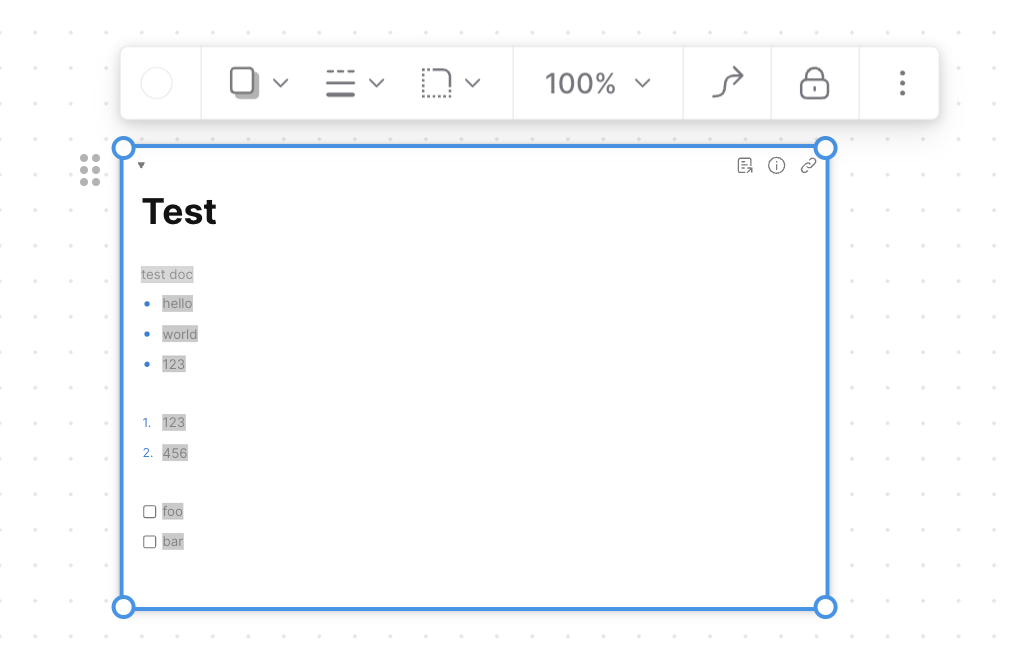
Based on this PR, all block types support zooming placeholder now.
<!-- This is an auto-generated comment: release notes by coderabbit.ai -->
## Summary by CodeRabbit
- **Improvements**
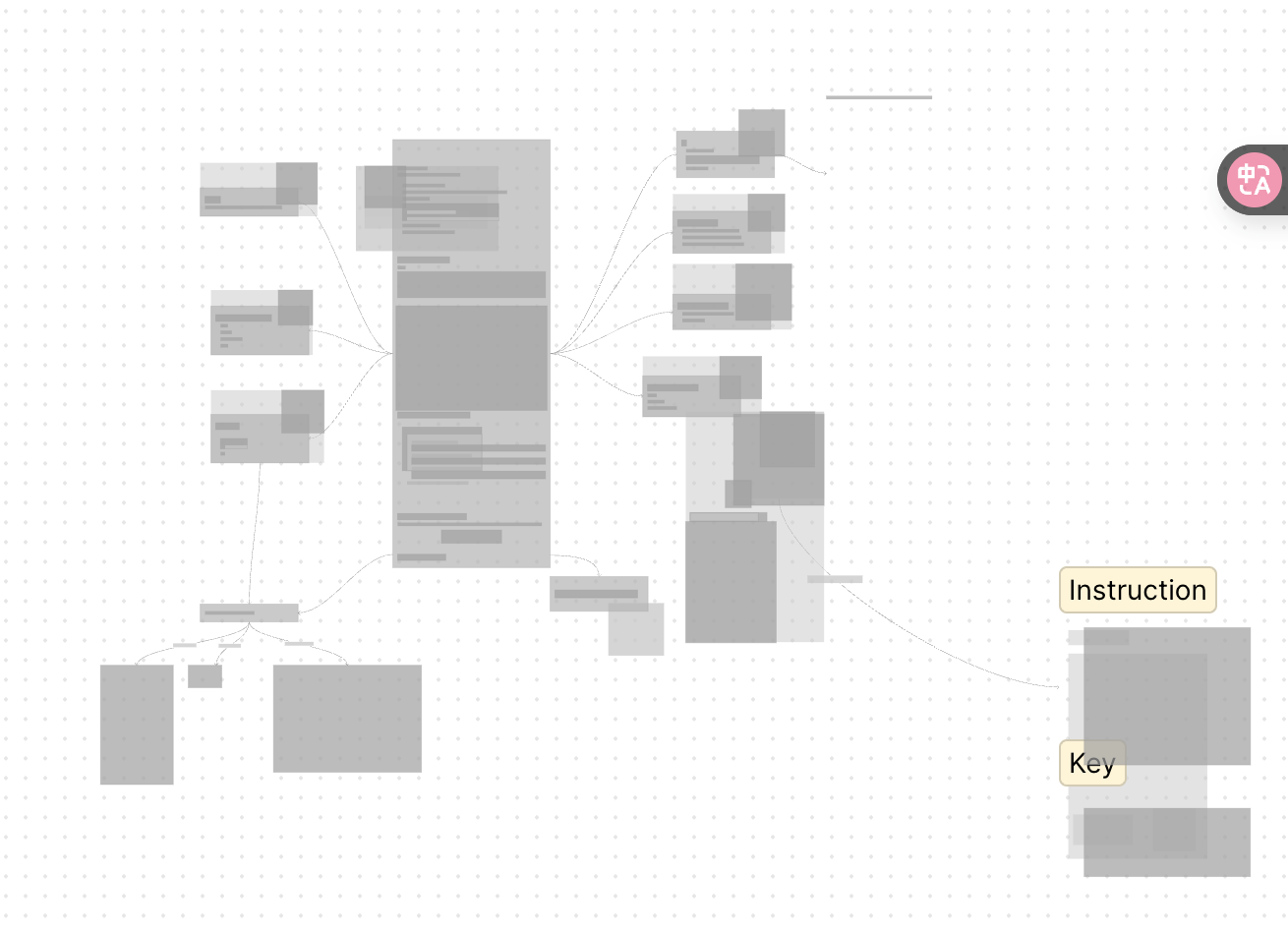
- Enhanced layout rendering accuracy for non-root nodes, leading to more precise placement and sizing.
- Simplified placeholder painting logic for improved consistency, with all nodes now displayed using a color based on their depth.
<!-- end of auto-generated comment: release notes by coderabbit.ai -->
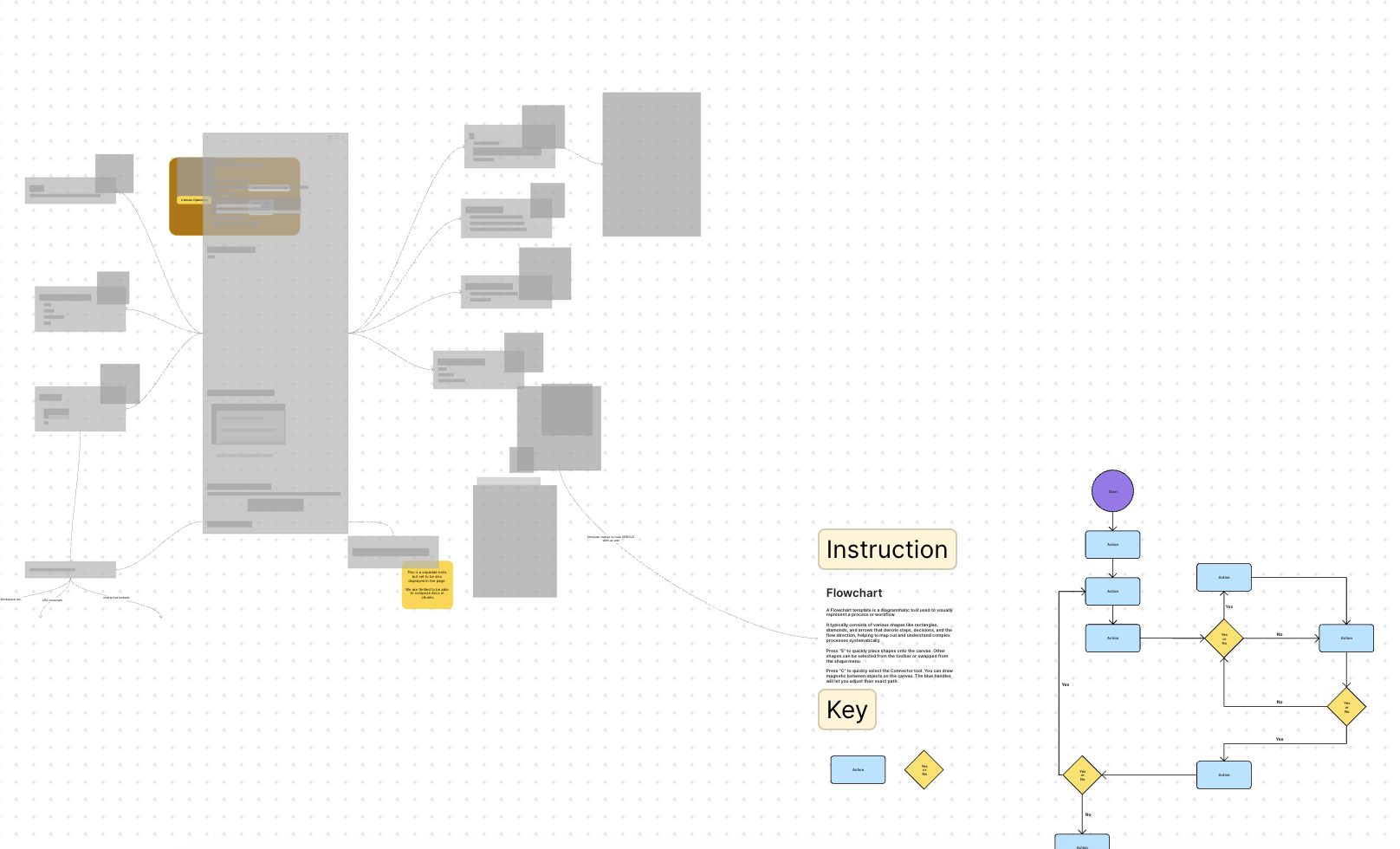
Fixed compat error for new built-in template with test updated.
<!-- This is an auto-generated comment: release notes by coderabbit.ai -->
## Summary by CodeRabbit
- **New Features**
- Added an option to enable or disable bitmap rendering in the renderer settings.
- Introduced a cooldown period after zooming before block optimization resumes, improving rendering performance and stability.
- **Bug Fixes**
- Improved handling of cases where block components may be missing, preventing potential runtime errors.
- **Tests**
- Expanded and refined tests to verify zooming behavior, bitmap caching, and internal state transitions for enhanced reliability.
<!-- end of auto-generated comment: release notes by coderabbit.ai -->
### TL;DR

Refactored the BlockSuite turbo renderer to use a hierarchical tree structure for layouts instead of a flat list, improving rendering accuracy and performance.

### What changed?

- Redesigned the layout system to use a tree structure (`ViewportLayoutTree`) that better represents the document hierarchy
- Added `blockId` to all layout objects for better tracking and debugging
- Updated the layout query mechanism to work with models directly instead of components
- Enhanced error handling with more descriptive warnings and error messages
- Improved the painting process to traverse the layout tree recursively
- Fixed viewport coordinate calculations for more accurate rendering
- Updated the worker communication to support the new tree-based layout structure

### Why make this change?

The previous flat layout structure didn't properly represent the hierarchical nature of documents, leading to rendering issues with nested blocks. This tree-based approach:

1. Better represents the actual document structure
2. Improves rendering accuracy for nested elements
3. Makes debugging easier with more consistent block identification
4. Provides a more robust foundation for future rendering optimizations
5. Reduces the likelihood of rendering artifacts when scrolling or zooming
# Refactor Turbo Renderer State Management to Use RxJS

### TL;DR

Refactored the TurboRenderer state management to use RxJS observables instead of direct state mutations, improving state transitions and reactivity.

### What changed?

- Replaced the public `state` property with a private `state$` BehaviorSubject in `ViewportTurboRendererExtension`
- Added proper state transition logging using RxJS operators
- Combined multiple event subscriptions using `merge` operator for better organization
- Improved state transition logic in the `refresh()` method
- Updated the `zooming$` and `panning$` signals in the Viewport

### Why make this change?

This refactoring improves the codebase by:
1. Using a more consistent reactive programming model with RxJS
2. Making state transitions more explicit and traceable
3. Reducing potential bugs from manual state management
4. Improving code organization by combining related event streams
5. Ensuring proper cleanup of resources when components are disposed

The change maintains the same functionality while making the code more maintainable and the state management more robust.
### TL;DR

Created dedicated worker entry points to avoid dynamic imports.

### What changed?

- Painters are provided during worker initialization
- Removed `ParagraphPaintConfigExtension` and the associated configuration system
- Created dedicated worker entry points in both the integration test and frontend packages
- Modified `ViewportLayoutPainter` to accept painters in its constructor
- Updated the `TurboRendererConfig` interface to require a `painterWorkerEntry` function

### Why make this change?

Webpack support. Extension objects in main thread are not available to be passed into workers. Dynamic painter path import is hard to support in webpack environment. With the [webpack-ignore](https://webpack.js.org/api/module-methods/#webpackignore) rule, there are still build errors in webpack.
This PR refactored the turbo renderer architecture to support multiple block layout types.

- New base class `BlockLayoutPainter` and `BlockLayoutProvider` are introduced for writing extendable per-block layout querying and painting logic.
- Paragraph-specific lines are all moved into dedicated classes (`ParagraphLayoutProvider` and `ParagraphLayoutPainter`) under the `/variants/paragraph` dir.
- The `renderer-utils.ts` doesn't contain paragraph-specific logic now.
- The `text-utils.ts` is also now scoped for paragraph only.
- Worker messages are now strongly typed.

Upcoming PR should further implement the block registration system using extension API. The `variants` dir could still exist, since there will be similar rendering logic that can be reused among block types (i.e., between paragraph block and list block).
The `ViewportTurboRendererExtension` is now extracted from `@blocksuite/affine-shared` to `@blocksuite/affine-gfx-turbo-renderer` with minimal dependencies, mirroring the gfx text package in #10378.